Introduction
The stock market has a way of turning relatively unknown companies into sudden investor obsessions. One such name drawing increased attention lately is oss stock forecast, a topic that keeps popping up in investor forums, earnings calls, and small-cap research circles.
At first glance, OSS may look like just another niche technology company. In reality, it operates at the intersection of high-performance computing, defense, and edge AI—three areas where global spending continues to rise despite economic uncertainty. That combination alone is enough to make long-term investors pause and dig deeper.
That said, forecasting any stock—especially a small-cap one—requires more than optimism. It demands a close look at fundamentals, leadership, market demand, risks, and valuation trends. This article walks through all of that in a clear, human way, without hype or shortcuts.


Table of Contents
Company Overview: What Does OSS Actually Do?
Why Investors Are Watching the OSS Stock Forecast Closely
OSS Revenue Model and Business Segments
Market Trends Powering OSS Growth
Financial Performance and Key Metrics
Valuation Analysis: Is OSS Undervalued or Overpriced?
Technical Analysis and Price Trends
Analyst Sentiment and Market Expectations
Risks That Could Impact OSS Stock Forecast
Long-Term vs Short-Term OSS Stock Outlook
Personal Background and Leadership Insight
Frequently Asked Questions About OSS Stock Forecast
Conclusion
Company Overview: What Does OSS Actually Do?
OSS, formally known as One Stop Systems, designs and manufactures specialized computing hardware. These systems are not meant for everyday consumers. Instead, they power mission-critical environments where reliability, speed, and durability matter more than price.
Its core offerings include:
- Ruggedized high-performance servers
- Edge computing platforms
- AI-optimized data processing systems
These products are commonly deployed in defense, aerospace, autonomous vehicles, industrial automation, and advanced research environments.
Unlike cloud-only computing providers, OSS focuses on processing data at the edge, where latency must be near zero. This positioning plays a crucial role in shaping any realistic oss stock forecast.
Why Investors Are Watching the OSS Stock Forecast Closely
Interest in OSS is not random. It is tied to several structural shifts happening simultaneously across global technology markets.
Defense and Security Spending
Governments worldwide are increasing budgets for surveillance, cybersecurity, and advanced battlefield technologies. OSS hardware is often embedded directly into these systems, creating long sales cycles but sticky customer relationships.
Edge AI Adoption
AI workloads are increasingly moving away from centralized cloud data centers. Autonomous vehicles, drones, and industrial machines require local processing. OSS is well positioned to benefit from this trend.
Supply Chain Localization
Many defense contractors now prefer U.S.-based hardware vendors due to geopolitical risk. OSS fits neatly into that requirement.
Taken together, these factors explain why long-term investors keep revisiting the oss stock forecast, even during broader market downturns.
OSS Revenue Model and Business Segments
OSS generates revenue primarily through hardware sales, but the structure is more nuanced than it appears.
Core Revenue Streams
- Custom computing systems for government and defense clients
- Commercial edge computing platforms
- After-sale support, upgrades, and integration services
While hardware margins can fluctuate, recurring service contracts help stabilize cash flow over time.
Customer Concentration Reality
One important detail for investors: OSS has historically relied on a limited number of large customers. While this increases volatility quarter-to-quarter, it also means a single contract win can materially change revenue outlook.
This dynamic heavily influences any oss stock forecast and explains why the stock sometimes reacts sharply to earnings reports.


Market Trends Powering OSS Growth
Understanding the broader market is essential before projecting where OSS stock might head next.
High-Performance Computing Demand
HPC systems are no longer limited to research labs. They are now used in:
- Real-time video analytics
- Autonomous navigation
- Military command systems
OSS operates squarely in this expanding niche.
AI at the Edge
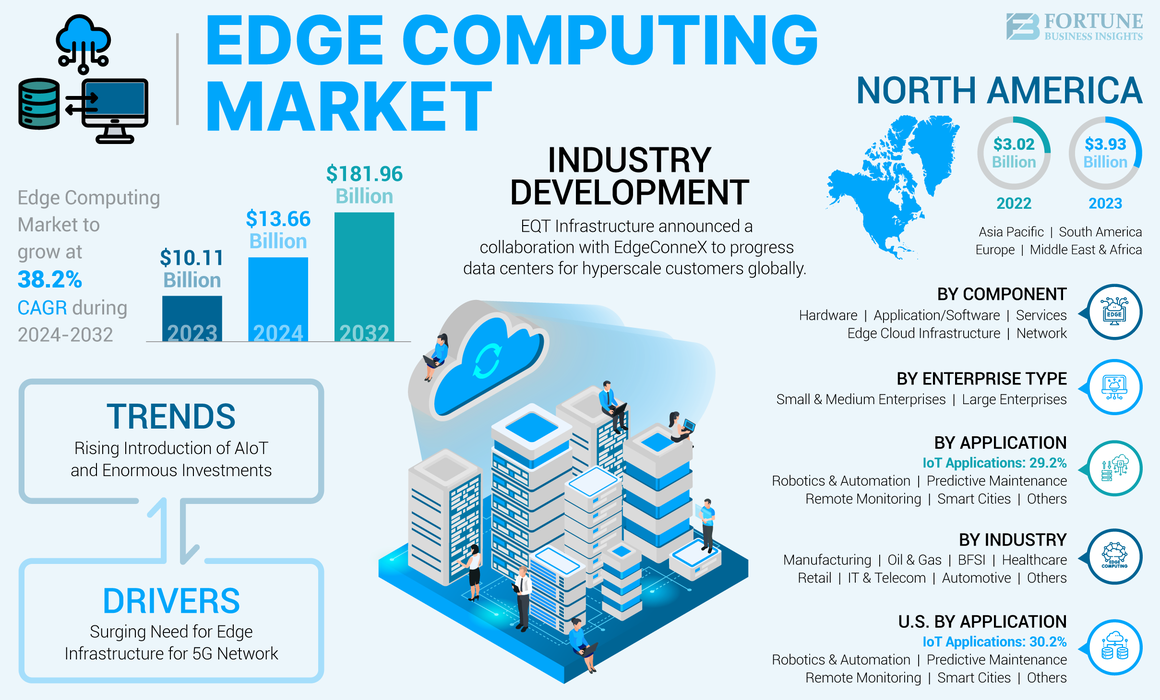
According to industry estimates, edge AI markets are expected to grow at double-digit CAGR through the next decade. This trend directly supports a bullish oss stock forecast, provided OSS executes well.
Government Long-Term Contracts
Defense contracts often span multiple years, offering visibility that many small-cap tech companies lack.
Financial Performance and Key Metrics
While OSS is not a mega-cap company, its financials reveal important patterns.
Revenue Trends
Revenue growth has historically been uneven, driven by contract timing. However, multi-year averages suggest gradual expansion rather than stagnation.
Gross Margins
Margins tend to improve when custom, high-value systems make up a larger portion of sales. Commodity hardware, by contrast, compresses profitability.
Balance Sheet Strength
OSS maintains manageable debt levels compared to many small-cap tech peers, reducing financial risk during economic slowdowns.
These metrics form the backbone of any responsible oss stock forecast.
Valuation Analysis: Is OSS Undervalued or Overpriced?
Valuation is where opinions diverge most sharply.
Price-to-Sales Perspective
OSS often trades at a lower price-to-sales ratio than fast-growing AI software companies. This discount reflects:
- Hardware-centric business model
- Revenue lumpiness
- Lower investor awareness
Growth-Adjusted Valuation
When adjusted for long-term defense and edge AI demand, some analysts argue OSS is undervalued relative to its addressable market.
That said, valuation alone does not guarantee upside. Execution remains the deciding factor for the oss stock forecast.
Technical Analysis and Price Trends
From a technical standpoint, OSS stock has displayed classic small-cap behavior.
Volatility Patterns
- Sharp spikes after earnings
- Pullbacks during low-volume periods
- Strong reactions to contract announcements
Support and Resistance Zones
Long-term charts show defined support levels where institutional buyers tend to re-enter. These zones often matter more than short-term indicators.
Technical traders and fundamental investors alike monitor these levels when forming an oss stock forecast.
Analyst Sentiment and Market Expectations
Coverage of OSS remains limited, which can be both a risk and an opportunity.
Limited Analyst Coverage
Fewer analysts mean less institutional attention—but also more potential upside if the company delivers consistently.
Earnings Call Tone
Management commentary in recent earnings calls has emphasized:
- Pipeline expansion
- Defense sector stability
- Edge AI demand visibility
Sentiment remains cautiously optimistic rather than euphoric, which is often healthier for long-term investors.
Risks That Could Impact OSS Stock Forecast
No forecast is complete without acknowledging downside risks.
Customer Concentration Risk
Losing a major customer could materially impact revenue.
Hardware Margin Pressure
Rising component costs or pricing competition could squeeze margins.
Execution Risk
Delays in contract fulfillment or supply chain disruptions could affect quarterly performance.
These risks should be weighed carefully before relying too heavily on any oss stock forecast.
Long-Term vs Short-Term OSS Stock Outlook
Short-Term Outlook
In the near term, OSS stock may remain volatile, reacting strongly to:
- Earnings results
- Defense contract announcements
- Broader market sentiment
Long-Term Outlook
Longer term, the outlook depends on sustained growth in:
- Edge computing adoption
- Defense modernization programs
- AI-driven hardware demand
For patient investors, the long-term oss stock forecast appears more compelling than short-term trading opportunities.
Personal Background and Leadership Insight
OSS leadership brings deep industry experience, particularly in high-performance computing and defense technology.
Executive Experience
Senior executives have backgrounds in:
- Enterprise hardware design
- Government contracting
- Systems integration
Strategic Vision
Management has consistently emphasized disciplined growth over aggressive expansion, a strategy that may limit hype but improve survivability.
Financial Perspective
While OSS executives are not celebrity CEOs with publicized net worth figures, insider ownership aligns leadership incentives with shareholder outcomes—an often overlooked but meaningful signal.
Frequently Asked Questions About OSS Stock Forecast
Is OSS stock a good long-term investment?
OSS may appeal to long-term investors seeking exposure to defense and edge AI markets, provided they accept volatility.
What industry does OSS operate in?
OSS operates in high-performance computing, edge computing, and AI-enabled hardware systems.
Why is the oss stock forecast considered volatile?
Revenue concentration and contract timing lead to uneven quarterly results, increasing volatility.
Does OSS pay dividends?
No, OSS currently reinvests earnings into growth and product development.
How does OSS compare to cloud computing companies?
Unlike cloud providers, OSS focuses on on-premise and edge systems where low latency is critical.
What could drive OSS stock higher?
Large defense contracts, improved margins, and increased analyst coverage could act as catalysts.
Can OSS benefit from AI growth?
Yes, particularly from AI workloads that require local, high-speed processing rather than cloud latency.
Conclusion
Forecasting any stock is part analysis, part judgment, and part patience. The oss stock forecast reflects a company operating in the right markets at the right time—but with the challenges typical of specialized hardware providers.
OSS is not a speculative hype play, nor is it a safe dividend stock. It sits in between, offering long-term potential tied closely to defense spending, edge AI adoption, and disciplined execution. For investors willing to look beyond quarterly noise and focus on structural trends, OSS remains a name worth watching closely.
As always, the most reliable forecasts are those revisited regularly—because in markets, reality evolves faster than any single prediction.