
Introduction
Ever waited for a bank transfer, online order, or loan approval and noticed the phrase “3–5 business days”? Many people pause and wonder exactly what are business days and why they matter so much in everyday transactions.
In simple terms, what are business days refers to the standard working days when businesses, banks, and institutions operate. These days determine when services are processed, payments are cleared, and deliveries are scheduled.
Understanding this concept can save you from confusion and frustration. For instance, if a payment takes five business days and you count the weekend, you may expect it too early. In reality, those days might not be included.
This guide breaks down everything you need to know about business days—how they work, how banks count them, and why they are important in finance, shipping, and contracts.
Understanding What Are Business Days
Before diving deeper into examples and technical explanations, it’s important to understand the basic idea behind what are business days.
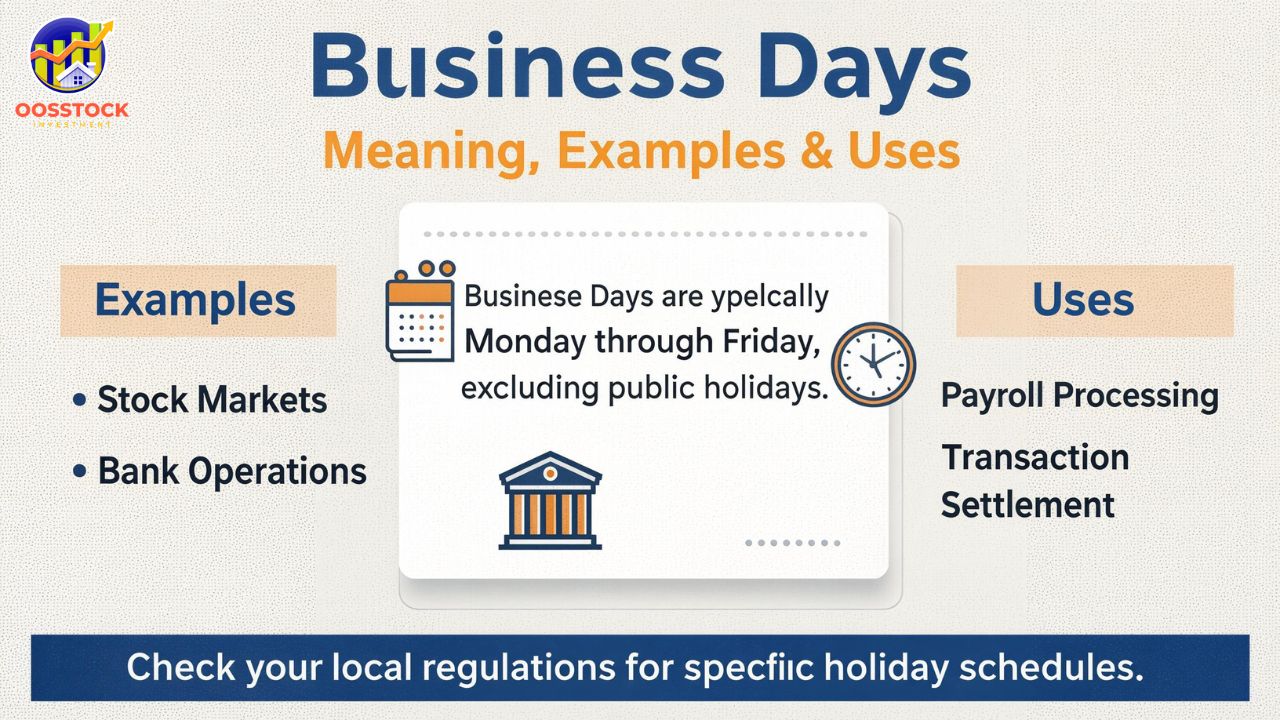
A business day generally refers to the days when normal business operations occur. In most countries, this means:
- Monday
- Tuesday
- Wednesday
- Thursday
- Friday
Weekends—Saturday and Sunday—are typically excluded. Public holidays may also not count as business days depending on the organization or country.
For example, if you place an online order on Friday with a “2 business day processing time,” the order will likely be processed by Tuesday rather than Sunday.
Why Business Days Matter in Everyday Life
At first glance, business days may seem like a simple scheduling concept. However, they influence many aspects of daily financial and commercial life.
Here are several areas where business days play a major role:
Banking Transactions
Banks process payments, deposits, and transfers during business days only.
Shipping and Logistics
Delivery companies estimate shipping times based on business days.
Customer Service
Support teams and offices typically operate during business days.
Legal Contracts
Deadlines in agreements often reference business days instead of calendar days.
Payroll and Salary Payments
Employers calculate payment processing using business days.
Because of these applications, knowing what are business days helps avoid misunderstandings in finance, commerce, and everyday planning.
Standard Definition of Business Days
While definitions may vary slightly by country or organization, the standard definition is widely accepted.
A business day usually means:
- Any weekday (Monday to Friday)
- Excluding public holidays
- During normal working hours
Example Timeline
| Day | Status |
|---|---|
| Monday | Business Day |
| Tuesday | Business Day |
| Wednesday | Business Day |
| Thursday | Business Day |
| Friday | Business Day |
| Saturday | Not a Business Day |
| Sunday | Not a Business Day |
This structure explains why many financial services mention processing times such as “3–5 business days.”
What Are Business Days in Banking and Finance
Banks rely heavily on the concept of business days because financial systems operate on structured schedules.
When people ask what are business days, they are often referring to banking operations.
Examples in Banking
- Bank Transfers
A wire transfer initiated on Friday afternoon may not process until Monday.
- Check Clearing
Checks may take 2–5 business days to clear depending on the bank.
- Loan Approvals
Financial institutions evaluate documents and process applications only during business days.
Real-Life Scenario
Imagine you deposit a check on Friday evening.
- Friday evening: after processing hours
- Saturday: weekend
- Sunday: weekend
- Monday: first business day
Your funds might only begin processing on Monday.
That’s why financial institutions emphasize what are business days when explaining processing timelines.
Business Days in Shipping and Delivery
Online shopping has made the concept of business days even more relevant.
When retailers promise delivery within “3 business days,” they typically exclude weekends.
Example Delivery Timeline
| Order Date | Delivery Estimate |
|---|---|
| Monday | Thursday |
| Wednesday | Monday |
| Friday | Wednesday |
Shipping companies like courier services use business days because logistics centers often operate on weekday schedules.
Major Shipping Companies
- FedEx
- UPS
- DHL
- USPS
These companies calculate delivery times using business days unless you pay extra for weekend or express services.
Business Days in Contracts and Legal Agreements
Contracts frequently refer to business days when specifying deadlines.
For instance:
- Payment must be made within 10 business days
- Notice must be delivered within 5 business days
- Refund processing takes 7 business days
Using business days prevents confusion caused by weekends and holidays.
Legal Example
If a contract requires payment within 5 business days starting Monday:
| Day | Count |
|---|---|
| Monday | Day 1 |
| Tuesday | Day 2 |
| Wednesday | Day 3 |
| Thursday | Day 4 |
| Friday | Day 5 |
If the period started on Thursday, the deadline would move into the following week.
How Holidays Affect Business Days
Public holidays can significantly impact business-day calculations.
Even if a holiday falls on a weekday, it may not count as a business day.
Examples of Common Holidays
- New Year’s Day
- Independence Day
- Christmas
- Labor Day
- National holidays specific to countries
For example:
If Monday is a national holiday:
| Day | Status |
|---|---|
| Monday | Holiday |
| Tuesday | Business Day |
| Wednesday | Business Day |
This means processing timelines shift forward.
Understanding what are business days also requires awareness of regional holidays.
Business Days Around the World
Interestingly, not all countries follow the same business-day schedule.
United States & Europe
Business days: Monday–Friday
Middle East (some countries)
Business days: Sunday–Thursday
Global Companies
Multinational organizations sometimes operate across different time zones and business calendars.
This variation explains why international transactions may take longer.
When working with global partners, clarifying what are business days becomes extremely important.
How to Calculate Business Days Correctly
Calculating business days can be surprisingly tricky, especially when holidays and weekends are involved.
Here is a simple step-by-step method.
Step 1: Identify the Start Date
Determine when the timeline begins.
Step 2: Exclude Weekends
Remove Saturday and Sunday.
Step 3: Remove Public Holidays
Check official holiday calendars.
Step 4: Count Remaining Days
Only include actual business days.
Example
Start date: Wednesday
Deadline: 3 business days
| Day | Count |
|---|---|
| Wednesday | Day 1 |
| Thursday | Day 2 |
| Friday | Day 3 |
Deadline: Friday
Common Misunderstandings About Business Days
Many people misinterpret business days, which leads to confusion.
Myth 1: Weekends Count
In most cases, they do not.
Myth 2: Processing Starts Immediately
Sometimes processing begins the next business day.
Myth 3: All Companies Use the Same Schedule
Some organizations operate seven days a week.
Myth 4: Business Days Equal Calendar Days
They often differ significantly.
These misconceptions are why learning what are business days is important in both personal finance and professional settings.
FAQ
What are business days in simple terms?
Business days are the days when companies and banks operate, usually Monday through Friday, excluding weekends and public holidays.
Do weekends count as business days?
No. Saturdays and Sundays are generally not considered business days unless a company specifically states otherwise.
How many hours are in a business day?
A business day typically refers to an entire working day, usually around 8 hours, though exact hours depend on the organization.
Are holidays considered business days?
Most public holidays are excluded from business days, meaning services and processing may pause.
Why do banks use business days?
Banks process transactions during official working hours, so timelines are measured in business days instead of calendar days.
What are business days in shipping?
Shipping companies estimate delivery times based on weekdays when warehouses and logistics operations are active.
Can companies define their own business days?
Yes. Some companies operate on different schedules depending on location and industry.
How do international transactions affect business days?
Different countries have different working weeks, which may extend processing times.
Conclusion
Understanding what are business days may seem simple, but it plays a crucial role in banking, shipping, contracts, and everyday financial transactions.
Whenever you see timelines such as “3–5 business days,” remember that weekends and holidays usually do not count. This small detail can dramatically affect expectations around payments, deliveries, and services.
In today’s fast-paced digital economy, clarity about business days helps avoid delays, misunderstandings, and unnecessary frustration. Whether you’re waiting for a bank transfer, expecting a package, or signing a contract, knowing how business days work gives you a practical advantage.
Once you understand the concept clearly, those confusing timelines suddenly make perfect sense.