Introduction
Imagine walking into a grocery store and noticing that the milk cartons placed at the front of the shelf usually have earlier expiration dates than those in the back. That isn’t random. It’s part of a system designed to sell older stock first. This simple yet powerful idea forms the basis of a key accounting and inventory principle known as what is fifo.
Understanding what is fifo is essential for businesses, accountants, warehouse managers, and even investors. It affects how companies track inventory, calculate profits, and report financial results. Whether you run a small online shop, manage a warehouse, or study accounting, the FIFO method plays a crucial role in everyday operations.
In reality, inventory management isn’t just about counting products. It’s about controlling costs, minimizing waste, and ensuring financial accuracy. The FIFO method helps businesses achieve exactly that. In this guide, we’ll explore how FIFO works, where it’s used, and why it matters in modern business.
Understanding What Is FIFO
Before diving deeper into accounting formulas and inventory systems, it’s important to understand the basic concept.
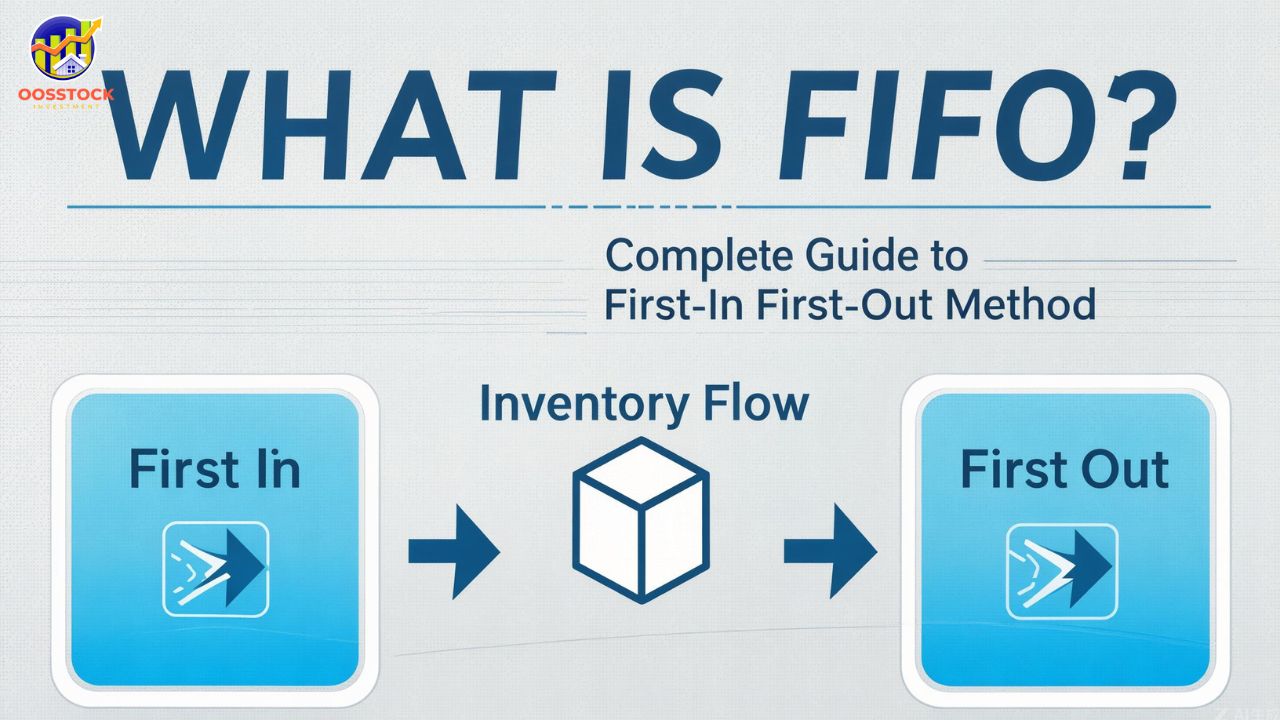
What is fifo refers to First-In, First-Out, an inventory and accounting method where the earliest goods purchased or produced are the first ones sold or used.
Simple Definition
FIFO means:
- The first items added to inventory are sold first
- Older inventory leaves the warehouse before newer inventory
- Costs associated with earlier purchases are recorded first
This approach mirrors how many real-world businesses operate. For example:
- Grocery stores sell older food first
- Pharmacies move older medicines before newer stock
- Clothing retailers sell earlier shipments before new arrivals
The method helps maintain freshness, reduce spoilage, and maintain organized inventory systems.
How the FIFO Method Works
To truly grasp what is fifo, it helps to visualize how inventory costs move through a business.
Imagine a company that sells smartphones.
Example Inventory Purchases
| Date | Units Purchased | Cost Per Unit |
|---|---|---|
| Jan 1 | 100 units | $200 |
| Feb 1 | 100 units | $220 |
| Mar 1 | 100 units | $250 |
If the company sells 150 units, FIFO assumes:
- The first 100 sold came from the Jan purchase
- The next 50 came from the Feb purchase
Cost of Goods Sold Calculation
| Units Sold | Cost |
|---|---|
| 100 units × $200 | $20,000 |
| 50 units × $220 | $11,000 |
| Total Cost of Goods Sold | $31,000 |
The remaining inventory would be:
- 50 units from February ($220)
- 100 units from March ($250)
This illustrates exactly how FIFO flows inventory costs.
FIFO in Inventory Management
Inventory management is one of the most common areas where people ask what is fifo.
The method ensures products leave storage in the same order they arrived.
Why FIFO Matters in Warehouses
Many industries deal with products that can expire or become outdated. FIFO prevents:
- Expired goods
- Inventory waste
- Product deterioration
- Customer dissatisfaction
Example Industries Using FIFO
- Food and beverage companies
- Pharmaceutical distributors
- Cosmetics manufacturers
- Electronics retailers
In these industries, selling older inventory first is not just efficient — it’s necessary.
Warehouse Layout for FIFO
Many warehouses design shelves specifically for FIFO movement.
Common setups include:
- Gravity flow racks
- Conveyor systems
- Barcode tracking
- Warehouse management software
These systems ensure older products move to the front automatically.
FIFO in Accounting and Financial Reporting
Another important reason people search for what is fifo relates to accounting.
FIFO is one of the most widely used inventory valuation methods in financial accounting.
FIFO in Financial Statements
FIFO affects:
- Cost of Goods Sold (COGS)
- Ending inventory value
- Profit margins
- Tax reporting
During periods of rising prices, FIFO typically results in:
- Lower cost of goods sold
- Higher reported profits
- Higher inventory value
This can significantly influence a company’s financial performance.
FIFO Under International Accounting Standards
FIFO is accepted under:
- IFRS (International Financial Reporting Standards)
- GAAP (Generally Accepted Accounting Principles)
However, unlike some methods, FIFO is universally permitted under both frameworks.
Real-World Examples of FIFO
Understanding what is fifo becomes easier when you see it applied in real businesses.
Example 1: Supermarkets
Supermarkets constantly rotate stock.
Milk, bread, and fresh produce are placed so older items sell first. This reduces waste and protects consumers.
Example 2: Pharmaceutical Companies
Medicines have strict expiration dates.
Using FIFO ensures drugs with earlier manufacturing dates are distributed first.
Example 3: Electronics Retailers
Technology becomes outdated quickly.
Selling older stock first prevents financial losses due to obsolete inventory.
Example 4: Manufacturing Plants
Manufacturers use FIFO for raw materials.
Steel, chemicals, and components are consumed in the order they were purchased.
Advantages of Using FIFO
Many companies choose FIFO because it reflects natural product flow.
Here are the key advantages.
1. Logical Inventory Movement
FIFO matches how goods physically move in most businesses.
Products arrive first and leave first.
2. Higher Inventory Value
In inflationary environments, newer inventory costs more.
Since FIFO leaves newer items in stock, the balance sheet shows a higher inventory value.
3. Simple and Transparent
FIFO is easy to understand for:
- accountants
- auditors
- investors
4. Reduced Obsolescence
Businesses reduce the risk of:
- expired goods
- outdated inventory
- wasted stock
5. Accepted Globally
FIFO is allowed under most global accounting frameworks.
This makes financial reporting consistent across countries.
Disadvantages and Limitations of FIFO
While FIFO has many advantages, it also has drawbacks.
Understanding these helps explain the full picture behind what is fifo.
1. Higher Tax Liability
When prices rise:
- FIFO produces higher profits
- Higher profits mean higher taxes
Companies sometimes prefer other methods to reduce taxable income.
2. Profit Inflation
During inflation, FIFO may make profits appear higher than actual purchasing power.
3. Less Accurate Cost Matching
The cost recorded for goods sold may reflect older prices, not current market costs.
This can distort profitability analysis.
FIFO vs LIFO vs Weighted Average
To fully understand what is fifo, it’s helpful to compare it with other inventory methods.
Inventory Method Comparison
| Method | Description | Profit Impact During Inflation |
|---|---|---|
| FIFO | Oldest inventory sold first | Higher profits |
| LIFO | Newest inventory sold first | Lower profits |
| Weighted Average | Average cost applied | Moderate profits |
Key Differences
FIFO
- Older costs used first
- Higher inventory valuation
- Widely accepted globally
LIFO
- Newest costs used first
- Lower taxable income
- Not allowed under IFRS
Weighted Average
- Costs averaged
- Simplifies calculations
- Used in manufacturing environments
Industries That Commonly Use FIFO
Many industries depend heavily on FIFO systems.
Food Industry
Restaurants and grocery stores rely on FIFO to prevent food spoilage.
Healthcare and Pharmaceuticals
Drug expiration dates make FIFO essential.
Retail
Clothing, electronics, and cosmetics stores use FIFO to sell older inventory first.
Manufacturing
Factories track raw materials using FIFO to maintain accurate cost records.
Logistics and Warehousing
Distribution centers rely on FIFO for efficient stock rotation.
How Businesses Implement FIFO Systems
Modern businesses don’t rely on manual inventory rotation anymore.
Technology plays a major role in managing FIFO.
Inventory Management Software
Companies use software such as:
- SAP
- Oracle NetSuite
- Zoho Inventory
- QuickBooks Commerce
These systems automatically track:
- purchase dates
- inventory batches
- product movement
Barcode and RFID Tracking
Warehouses often scan products using:
- barcodes
- QR codes
- RFID tags
This ensures items move in FIFO order.
Automated Warehouse Systems
Large fulfillment centers use robotic systems that physically organize products based on FIFO logic.
Companies like Amazon rely heavily on these technologies.
Personal Background and Financial Impact of FIFO Concepts
While FIFO itself isn’t a person, its influence on financial success is enormous.
Accountants, financial analysts, and business owners rely heavily on FIFO principles.
Career Fields Using FIFO Knowledge
Understanding FIFO can benefit professionals in:
- accounting
- supply chain management
- financial auditing
- warehouse operations
- business analytics
Career Earnings
Professionals using inventory accounting methods often earn strong salaries.
Examples:
| Career | Average Salary |
|---|---|
| Accountant | $70,000 |
| Financial Analyst | $85,000 |
| Supply Chain Manager | $100,000+ |
| Operations Manager | $95,000 |
For businesses, using FIFO effectively can increase profits by improving inventory control and reducing losses.
FAQ
What is fifo in simple words?
What is fifo means First-In First-Out, an inventory method where the first items purchased or produced are the first ones sold.
Why do companies use FIFO?
Companies use FIFO to maintain accurate inventory records and reduce product spoilage.
Is FIFO allowed under IFRS?
Yes. FIFO is accepted under both IFRS and GAAP accounting standards.
What industries use FIFO the most?
Food, pharmaceuticals, retail, and manufacturing industries commonly use FIFO systems.
How does FIFO affect profits?
During inflation, FIFO typically results in higher reported profits because older, cheaper inventory costs are used.
Is FIFO better than LIFO?
It depends on the business environment. FIFO works well for physical inventory flow, while LIFO may reduce taxes during inflation.
Can small businesses use FIFO?
Yes. Even small businesses often use FIFO because it is simple and easy to manage.
Does FIFO reduce inventory waste?
Yes. FIFO helps businesses sell older inventory first, reducing the risk of spoilage and obsolescence.
Conclusion
The concept behind what is fifo may seem simple at first glance, but its impact on business operations and financial reporting is enormous. By ensuring that older inventory is sold before newer stock, FIFO creates a logical and efficient system that mirrors how goods move in the real world.
From supermarkets and pharmacies to global manufacturing companies, FIFO remains one of the most widely used inventory methods today. It helps businesses maintain organized warehouses, prevent product waste, and report accurate financial information.
For entrepreneurs, accountants, and supply chain professionals, understanding FIFO isn’t just useful — it’s essential. Whether you’re analyzing financial statements or managing physical inventory, mastering FIFO gives you a clearer view of how products and profits move through a business.