Introduction
During times of economic uncertainty, few financial topics generate as much discussion as government relief payments. One of the most widely searched topics in recent years is the trump stimulus check, a financial aid program introduced during the COVID-19 pandemic to help millions of Americans manage financial hardship.
For many families across the United States, stimulus payments provided essential relief. Rent, groceries, healthcare bills, and everyday expenses suddenly became difficult to manage when lockdowns and business closures disrupted the economy. In response, the federal government introduced stimulus payments to help stabilize households and support economic recovery.
But questions still linger today. How many payments were issued? Who qualified? Could another stimulus payment happen again? Understanding the history and mechanics of the trump stimulus check can help clarify how government relief programs work and what they mean for taxpayers.
Understanding the Trump Stimulus Check Program
The term trump stimulus check refers to the Economic Impact Payments distributed to U.S. taxpayers during the COVID-19 crisis. These payments were part of the Coronavirus Aid, Relief, and Economic Security (CARES) Act passed in March 2020.
The CARES Act represented one of the largest economic rescue packages in U.S. history, totaling roughly $2.2 trillion.
Its goals included:
- Providing direct payments to individuals
- Supporting businesses affected by lockdowns
- Funding unemployment benefits
- Stabilizing financial markets
- Helping hospitals and healthcare systems
What Were Economic Impact Payments?
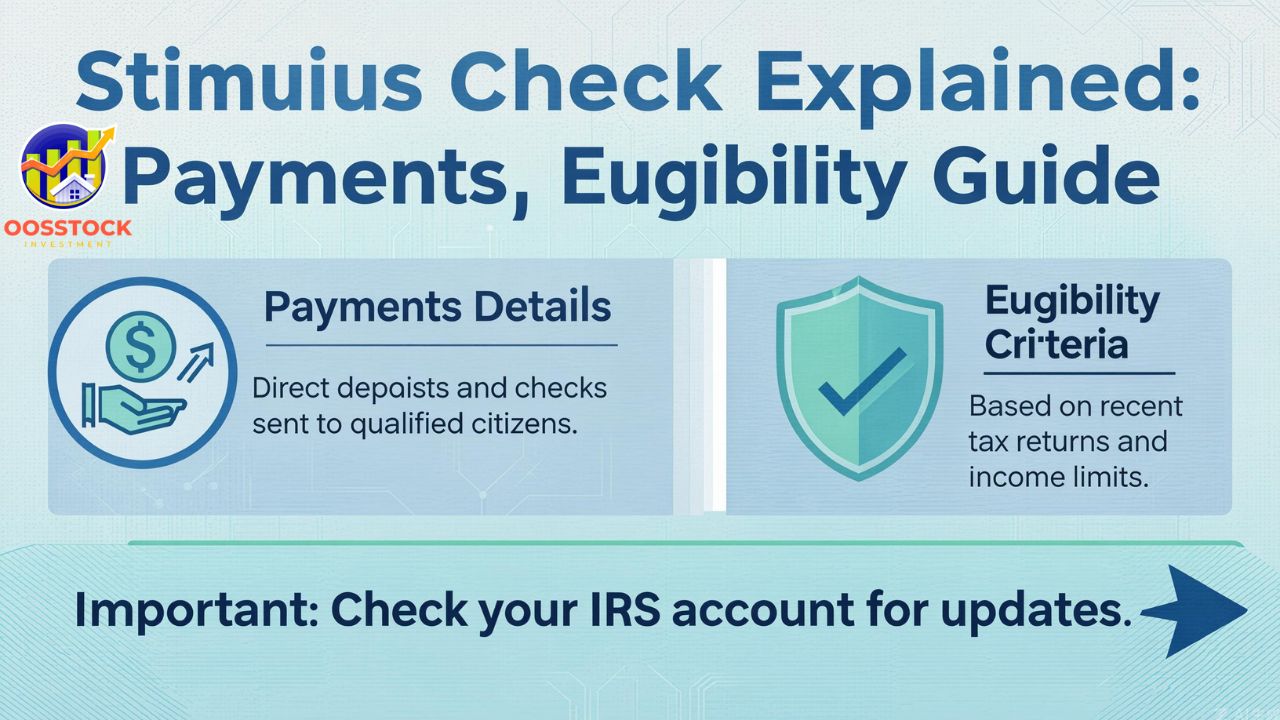
Economic Impact Payments were direct payments issued by the U.S. Treasury and processed by the Internal Revenue Service (IRS). Unlike loans, these payments did not need to be repaid.
They were designed to:
- Stimulate consumer spending
- Support struggling households
- Prevent a deeper economic recession
Payment Amounts
The initial stimulus payments included:
| Recipient Type | Payment Amount |
|---|---|
| Individual adults | $1,200 |
| Married couples | $2,400 |
| Children under 17 | $500 each |
Later stimulus packages adjusted these amounts, but the first round remains closely associated with the trump stimulus check program

Why the Trump Stimulus Check Was Introduced
In early 2020, the COVID-19 pandemic triggered one of the fastest economic shutdowns in modern history. Businesses closed overnight, travel halted, and unemployment skyrocketed.
Within weeks:
- Over 20 million Americans lost jobs
- Stock markets plunged
- Entire industries paused operations
The government needed a rapid response.
Economic Crisis Response
Stimulus checks aimed to inject cash directly into the economy. When households spend money on necessities like groceries or utilities, businesses remain active, which prevents widespread economic collapse.
Economists often refer to this approach as fiscal stimulus.
Supporting Families During Lockdowns
Millions of Americans suddenly faced:
- Job loss
- Reduced working hours
- Medical expenses
- Childcare challenges
Direct payments provided immediate relief, allowing families to pay bills and maintain essential spending.
Timeline of Stimulus Payments in 2020–2021
Understanding the timeline helps clarify how the stimulus programs evolved.
| Stimulus Round | Date Approved | Payment Amount |
|---|---|---|
| First Payment | March 2020 | $1,200 per adult |
| Second Payment | December 2020 | $600 per adult |
| Third Payment | March 2021 | $1,400 per adult |
The first two payments were tied directly to the trump stimulus check initiative, while the third payment occurred under the subsequent administration.
First Payment (CARES Act)
This payment was the largest emergency relief package at the time.
Key features:
- $1,200 for individuals
- $2,400 for married couples
- $500 per child
Distribution began in April 2020.
Second Payment (Relief Bill 2020)
Congress approved a second round later in December 2020.
Payments included:
- $600 per adult
- $600 per child
Although smaller, this round continued financial support during the prolonged pandemic.
Who Qualified for the Trump Stimulus Check
Eligibility was based primarily on income levels reported in tax filings.
Income Limits
| Filing Status | Full Payment Limit |
|---|---|
| Single | $75,000 |
| Married | $150,000 |
| Head of household | $112,500 |
Payments gradually phased out above these thresholds.
Other Eligibility Factors
To receive stimulus payments, individuals generally needed to:
- Be a U.S. citizen or resident alien
- Possess a valid Social Security number
- Not be claimed as a dependent by another taxpayer
Special Cases
Some groups initially faced delays receiving payments, including:
- Social Security recipients
- Veterans receiving benefits
- Individuals without recent tax filings
The IRS later created tools allowing people to claim payments through Recovery Rebate Credits.
How the IRS Distributed Stimulus Payments
The IRS relied on tax return information to send payments quickly.
Distribution methods included:
Direct Deposit
This was the fastest method.
Millions of Americans received payments directly in their bank accounts within weeks.
Paper Checks
Individuals without direct deposit information received paper checks by mail.
Prepaid Debit Cards
Some recipients received Economic Impact Payment cards, prepaid debit cards that functioned like standard bank cards.
IRS “Get My Payment” Tool
The IRS launched an online tracking tool that allowed taxpayers to:
- Check payment status
- Update bank details
- Confirm eligibility
This tool quickly became one of the most visited government websites in 2020.
Economic Impact of Stimulus Checks in the United States
The stimulus payments had a measurable effect on the American economy.
Boost in Consumer Spending
Research from the Federal Reserve showed that stimulus payments increased spending on:
- Groceries
- Household goods
- Online shopping
- Rent and utilities
Retail sales surged shortly after payments were issued.
Reduction in Poverty
According to economic studies:
- The third stimulus payment helped reduce poverty by nearly 40% temporarily.
- Many low-income families used payments for essential needs.
Savings and Debt Reduction
Not all funds were spent immediately.
Some households used payments to:
- Pay off credit card debt
- Build emergency savings
- Cover overdue bills
Personal Background of Donald Trump and Financial Perspective
Understanding the political context of stimulus policies often involves examining the financial philosophy of the administration behind them.
Early Life and Career

Donald Trump was born in 1946 in Queens, New York. He joined his father’s real estate company, Elizabeth Trump & Son, which focused on residential properties.
Over time, Trump expanded the company into high-profile real estate projects, hotels, and casinos, eventually rebranding the business as The Trump Organization.
Business Achievements
Trump became widely known through projects such as:
- Trump Tower in New York City
- Luxury golf resorts worldwide
- Television show The Apprentice
His brand became associated with luxury real estate and entertainment.
Political Career
Trump was elected the 45th President of the United States in 2016.
During his presidency, economic policy emphasized:
- Tax reductions
- Deregulation
- Trade renegotiations
- Pandemic relief measures
Estimated Net Worth
Financial estimates vary depending on market valuations.
Many financial publications estimate Trump’s net worth between:
$2 billion and $3 billion.
Much of his wealth comes from:
- Real estate assets
- Branding deals
- Golf resorts
- Licensing agreements

Could Another Stimulus Check Happen Again?
Many Americans continue to search online about a possible trump stimulus check or similar relief payments.
Economic Conditions Matter
Stimulus checks typically occur during severe economic crises.
Examples include:
- Financial recessions
- National emergencies
- Large-scale unemployment events
Political Approval
New stimulus programs require approval from:
- Congress
- The President
This makes future payments dependent on political agreement.
Current Economic Discussions
In recent years, debates about stimulus payments have centered around:
- Inflation concerns
- Budget deficits
- Targeted relief instead of universal payments
Some economists argue that future stimulus programs might focus more on specific groups rather than broad nationwide payments.
Common Misconceptions About Stimulus Payments
Several myths about the trump stimulus check continue circulating online.
Myth: Stimulus Checks Must Be Repaid
False.
Stimulus payments were tax credits, not loans.
Myth: They Count as Taxable Income
Stimulus payments are not taxable.
Myth: Only Low-Income Households Received Them
Payments were available to middle-income households as well.
However, high-income earners saw payments gradually reduced due to phase-out rules.
How Stimulus Checks Affect Taxes and Benefits
Stimulus payments interact with tax systems in specific ways.
Recovery Rebate Credit
Individuals who missed payments could claim them on their tax returns.
This process was known as the Recovery Rebate Credit.
Impact on Government Benefits
Stimulus payments did not reduce eligibility for programs such as:
- SNAP benefits
- Medicaid
- Supplemental Security Income
This ensured relief funds reached vulnerable populations without affecting assistance programs.
FAQ
What is the trump stimulus check?
The trump stimulus check refers to direct government payments issued to U.S. taxpayers during the COVID-19 pandemic under the CARES Act and related relief legislation.
How much money did people receive?
The first payment provided $1,200 per adult and $500 per child, while the second payment provided $600 per eligible individual.
Who qualified for stimulus payments?
Eligibility depended on income, tax filing status, and citizenship or residency requirements.
Are stimulus checks taxable income?
No. Stimulus payments are considered tax credits and are not taxed.
Can someone still claim missing stimulus payments?
Yes. Eligible taxpayers who did not receive payments could claim them through the Recovery Rebate Credit on their tax returns.
Will another stimulus check happen?
Future stimulus payments depend on economic conditions and government policy decisions.
Did stimulus checks increase inflation?
Economists debate this topic. Some studies suggest stimulus spending contributed to inflation, while others point to supply chain disruptions as the primary cause.
How quickly were stimulus payments distributed?
Many recipients received payments within weeks via direct deposit, while paper checks and debit cards took longer.
Conclusion
The trump stimulus check program remains one of the most significant financial relief efforts in modern American history. Introduced during an unprecedented global crisis, these payments provided immediate assistance to millions of households struggling with job losses, medical expenses, and economic uncertainty.
Beyond the immediate relief, the stimulus checks demonstrated how governments can deploy large-scale fiscal tools to stabilize economies during emergencies. While debates about their long-term effects continue, the payments undeniably helped many families stay afloat during one of the most challenging periods in recent decades.
Understanding how stimulus programs work—who qualifies, how funds are distributed, and their broader economic impact—offers valuable insight into how governments respond to crises and protect citizens when the economy faces unexpected shocks.